
Top 5 Misconceptions About Immigration Laws: What Our Podcast Reveals


Understanding Immigration Laws
Immigration laws are a complex and often misunderstood area of policy. Our podcast series delves into these intricacies, offering insights and clarifying common misconceptions. In this blog post, we explore the top five misconceptions about immigration laws and what our podcast reveals about them.
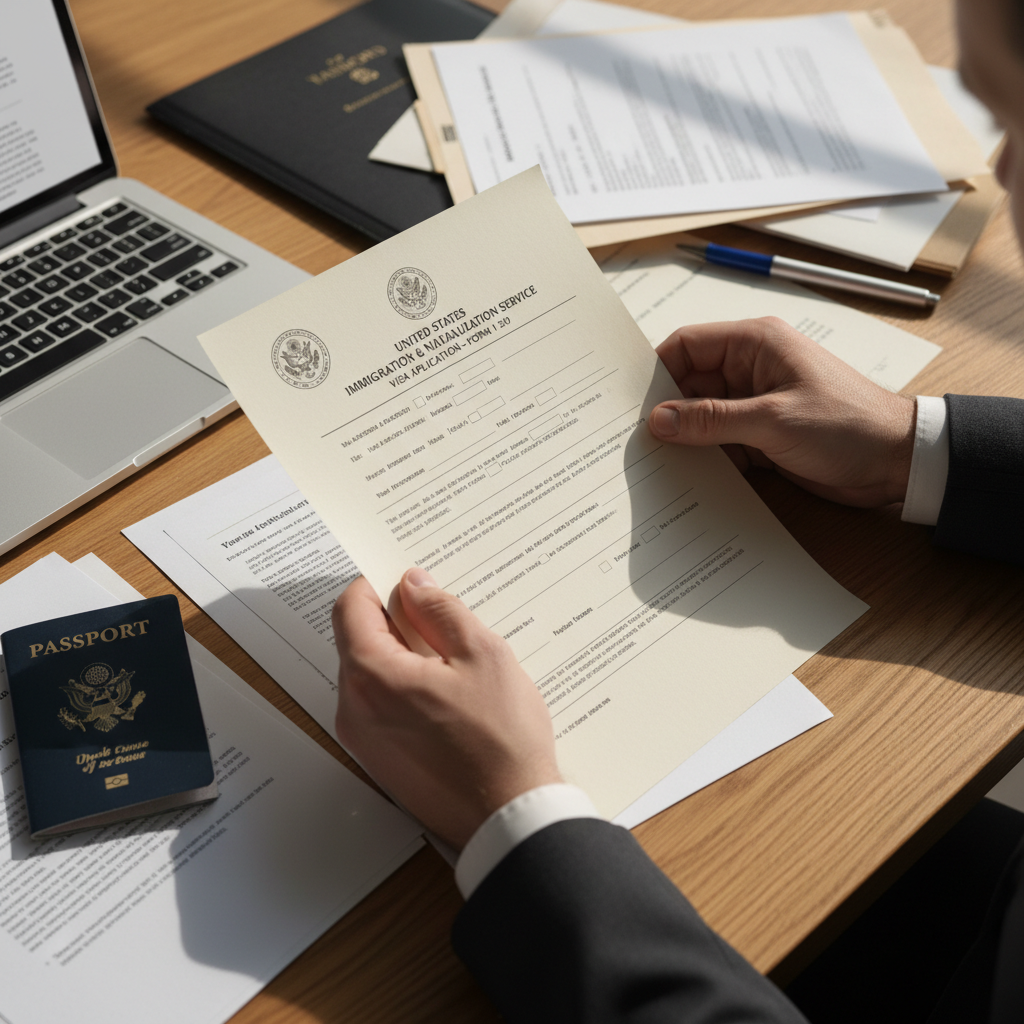
Misconception 1: Immigration Laws Are the Same Everywhere
One prevalent belief is that immigration laws are uniform across the globe. However, each country has its own set of regulations that reflect its unique socio-political landscape. Differences can be seen in visa requirements, asylum processes, and residency applications.
Our podcast episode on global immigration systems highlights how these laws vary significantly, impacting immigrants' experiences based on their destination. Understanding these differences is crucial for anyone considering moving abroad.
Misconception 2: Immigration Is Only About Crossing Borders
Another common misconception is that immigration solely involves physically crossing borders. In reality, immigration encompasses a wide array of legal processes, including obtaining work permits, applying for citizenship, and fulfilling residency requirements.

Our experts explain that these processes are often lengthy and complex, requiring immigrants to navigate a maze of bureaucratic procedures. This aspect of immigration is often overlooked, yet it is critical for legal compliance and successful integration.
Misconception 3: Immigrants Don't Pay Taxes
A widespread myth is that immigrants do not contribute to the tax system. This is far from the truth. In many countries, immigrants pay taxes, often contributing significantly to the economy.
Our podcast episode dispels this myth by providing data and testimonies from immigrants who actively participate in their host country’s economy. These contributions support public services and infrastructure, benefiting the entire community.

Misconception 4: All Immigrants Are Illegal
Not all immigrants reside in a country illegally. Many people legally migrate for work, study, or family reunification. The term "illegal immigrant" often oversimplifies the diverse legal statuses that exist.
Our discussions highlight the stories of legal immigrants who follow appropriate channels and contribute positively to society. Understanding these distinctions is essential for fostering a more informed and empathetic perspective.
Misconception 5: Immigration Is a Recent Phenomenon
Some people perceive immigration as a new challenge facing modern societies. However, the movement of people across borders has been a constant throughout history, shaping cultures and economies.

Our podcast explores historical patterns of immigration, demonstrating its longstanding role in human development. Recognizing this history helps contextualize current debates and policies surrounding immigration.
By addressing these misconceptions, our podcast aims to provide a clearer understanding of immigration laws and their impact. We encourage listeners to join the conversation and explore these topics further, fostering a more informed and compassionate dialogue.