The Future of Open Borders: Trends and Predictions from Podcast Discussions


Introduction to Open Borders
The concept of open borders has gained significant attention in recent years, driven by globalization, technological advancements, and evolving political landscapes. In various podcast discussions, experts have explored what the future holds for open borders and the potential impact on societies worldwide.
As we delve into this topic, it is essential to consider the key trends shaping this movement. From economic benefits to humanitarian considerations, open borders present a complex yet promising scenario.
Economic Implications
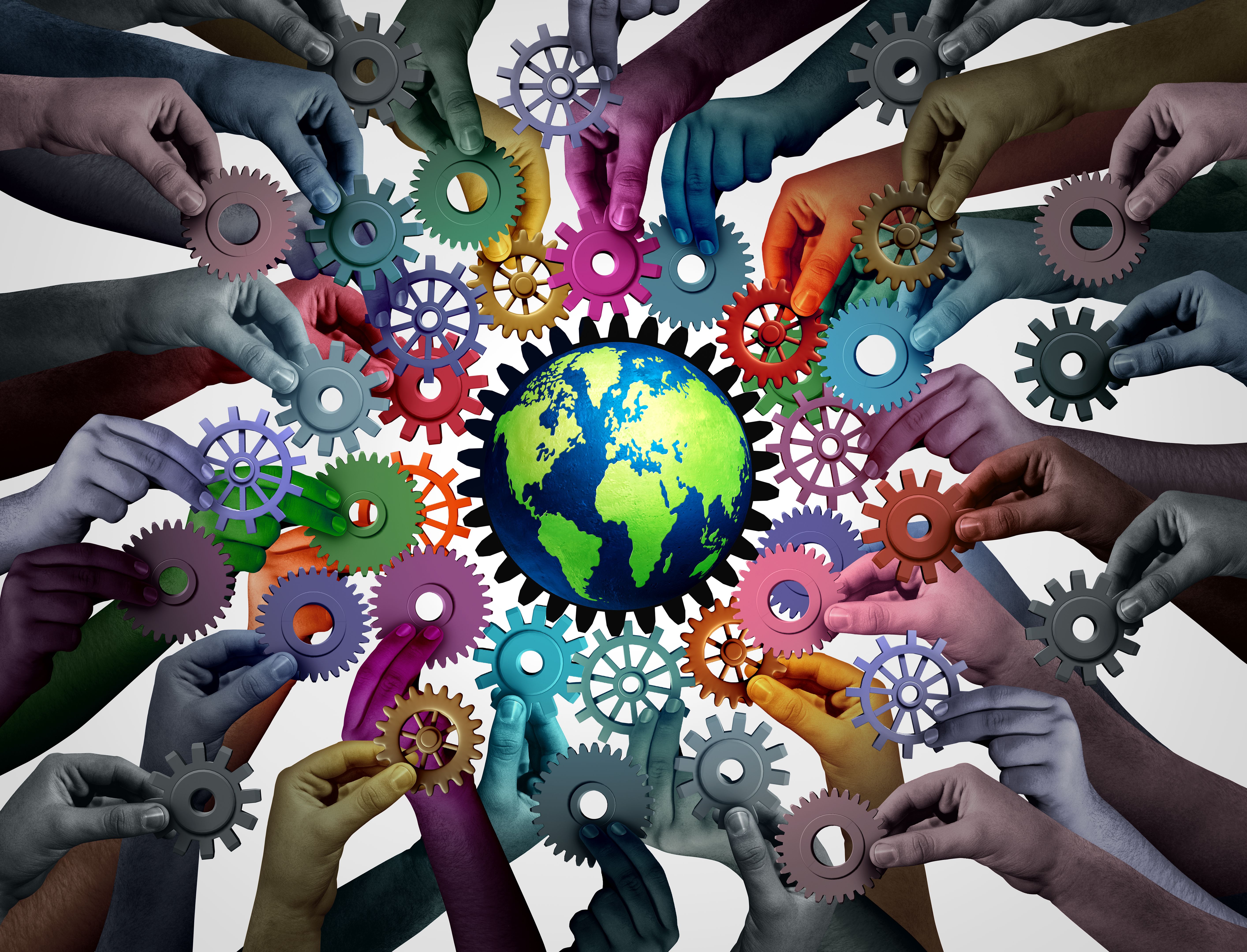
One of the most frequently discussed aspects of open borders is the economic impact. Proponents argue that open borders could lead to increased economic growth by allowing the free movement of labor. This could address labor shortages in certain industries while promoting innovation and entrepreneurship.
Podcast discussions often highlight the potential for increased trade and investment, as well as the benefits of a diverse workforce. However, there are concerns about wage suppression and the strain on public services, which need careful consideration.

Technological Advancements
The role of technology in facilitating open borders cannot be overstated. Enhanced border security, digital identification systems, and data analytics are paving the way for more seamless cross-border movement. These technologies could mitigate security concerns while ensuring efficient management of migration flows.
Podcasts suggest that technological innovations will be crucial in balancing freedom of movement with national security, making open borders a more viable option for the future.
Social and Cultural Impact
Open borders also bring about significant social and cultural changes. Increased migration can lead to more diverse communities, enriching societies with a variety of perspectives and cultural practices. This diversity can foster greater understanding and tolerance among people from different backgrounds.
However, podcast discussions often point out the challenges of social integration and the potential for cultural clashes. It is vital to create inclusive policies that promote harmony and mutual respect.

Humanitarian Considerations
From a humanitarian perspective, open borders could provide refuge for individuals fleeing conflict, persecution, or natural disasters. This aspect is frequently explored in podcasts, which emphasize the moral imperative of offering safe havens for those in need.
Balancing humanitarian goals with national interests remains a complex issue, requiring international cooperation and a shared commitment to human rights.
Political and Environmental Challenges
The political landscape plays a crucial role in the future of open borders. Political will, public opinion, and international relations all influence policy decisions. Podcasts often debate the feasibility of open borders in the current geopolitical climate.

Environmental factors, such as climate change, also impact migration patterns, adding another layer of complexity to the open borders debate. Future policies must address these challenges holistically to ensure sustainable solutions.
Conclusion
The future of open borders is a multifaceted issue that will continue to evolve as global dynamics change. Podcasts provide a platform for diverse voices and insights, offering valuable perspectives on the potential benefits and challenges.
As we look forward, it is clear that collaboration, innovation, and empathy will be essential in shaping policies that balance freedom of movement with the needs and concerns of individual nations and communities.