The Future of Immigration: Trends and Predictions from Experts


Introduction to Immigration Trends
As the world becomes increasingly interconnected, the landscape of immigration continues to evolve. Experts are closely monitoring trends that could shape the future of immigration policies and practices. Understanding these trends is crucial for governments, businesses, and individuals alike.
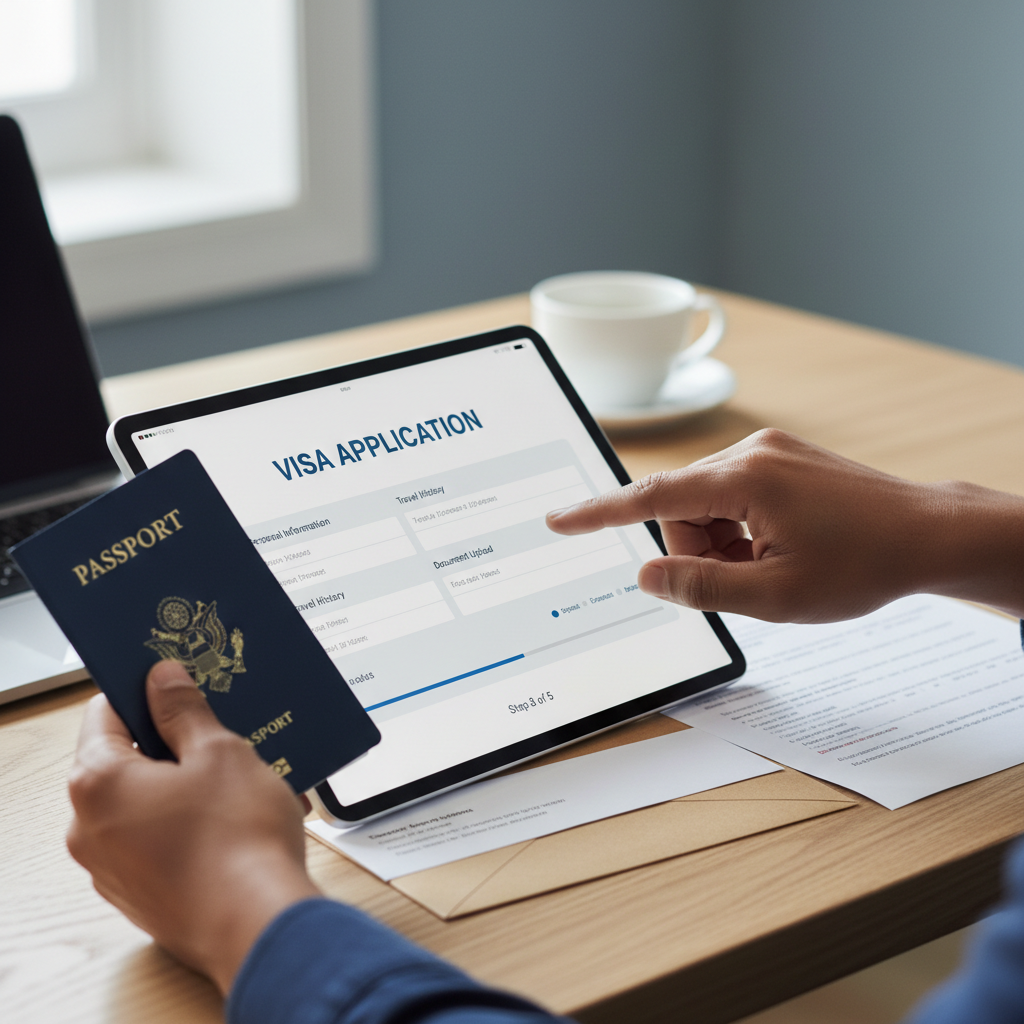
One of the major trends emerging is the shift towards more digital and automated processing systems. This technological advancement aims to streamline immigration processes, making them more efficient and accessible for applicants worldwide.
Impact of Global Events
Global events, such as the COVID-19 pandemic, have significantly impacted immigration patterns. Travel restrictions and health concerns have led to a temporary decline in migration rates. However, experts predict a resurgence as countries recover and adapt to new realities.
Moreover, environmental factors are increasingly influencing migration. Climate change and natural disasters are forcing populations to relocate, creating new challenges and opportunities for host countries.
Policy Shifts and Reforms
Policy changes are anticipated as countries reassess their immigration strategies. Many nations are likely to adopt more flexible policies to attract skilled workers and fill labor shortages in key industries. This shift could lead to increased competition for talent on a global scale.

Additionally, there is a growing emphasis on humanitarian considerations. Countries are exploring ways to offer better support and protection for refugees and asylum seekers, ensuring their integration into society.
Technological Innovations
Technology is playing a pivotal role in shaping the future of immigration. From AI-driven application processes to biometric identification systems, these innovations aim to enhance security and efficiency.
- AI-driven application processes
- Biometric identification systems
- Virtual reality for cultural integration

Furthermore, virtual reality is being explored as a tool for cultural integration, helping newcomers adapt to their new environments more smoothly.
Predictions for the Future
Looking ahead, experts predict that immigration will become even more dynamic and multifaceted. Nations will need to strike a balance between maintaining security and fostering inclusivity.
- Increased digitalization of processes
- Enhanced focus on skilled migration
- Greater emphasis on sustainability and humanitarian aid
Ultimately, the future of immigration will depend on collaboration between countries and a shared commitment to addressing both challenges and opportunities.