How Open Borders Affect Local Communities: Insights from Arizona

Understanding Open Borders
The concept of open borders is often a topic of heated debate. It refers to the policy where people can move freely between countries without strict immigration controls. In places like Arizona, where the border with Mexico plays a significant role in local dynamics, the impact of such policies can be profound.
Proponents argue that open borders can lead to increased economic growth, cultural exchange, and humanitarian benefits. However, opponents often raise concerns about security, resource allocation, and social cohesion. Understanding these dynamics is crucial for local communities navigating these changes.

Economic Impacts
One of the most discussed effects of open borders is the economic impact on local communities. In Arizona, the influx of new residents can contribute to a more diverse labor market. This can lead to growth in various sectors such as agriculture, construction, and services.
However, there are also challenges. Increased competition for jobs can lead to tensions, and local businesses may face pressure to adapt quickly to changing demographics. Balancing these factors is essential for sustainable economic development.

Social and Cultural Dynamics
Open borders can significantly influence the social fabric of a community. In Arizona, the blend of cultures creates a rich tapestry of traditions, languages, and festivities. This cultural diversity can lead to greater understanding and innovation.
Nevertheless, rapid changes in demographics may also lead to social friction. Efforts to foster community integration and understanding become vital to ensure harmonious coexistence among diverse groups.

Security Considerations
Security is a primary concern for many when discussing open borders. In Arizona, ensuring public safety while respecting the rights and freedoms of all residents is a delicate balance. Effective border management and community policing strategies are necessary to address these concerns.
Government agencies often work closely with local communities to develop comprehensive strategies that prioritize safety without compromising the liberties of individuals. Collaboration and communication are key components of these efforts.
Environmental Impact
The environmental impact of open borders is another aspect that affects local communities. Increased population can lead to greater demand for natural resources, affecting water supply, land use, and air quality.
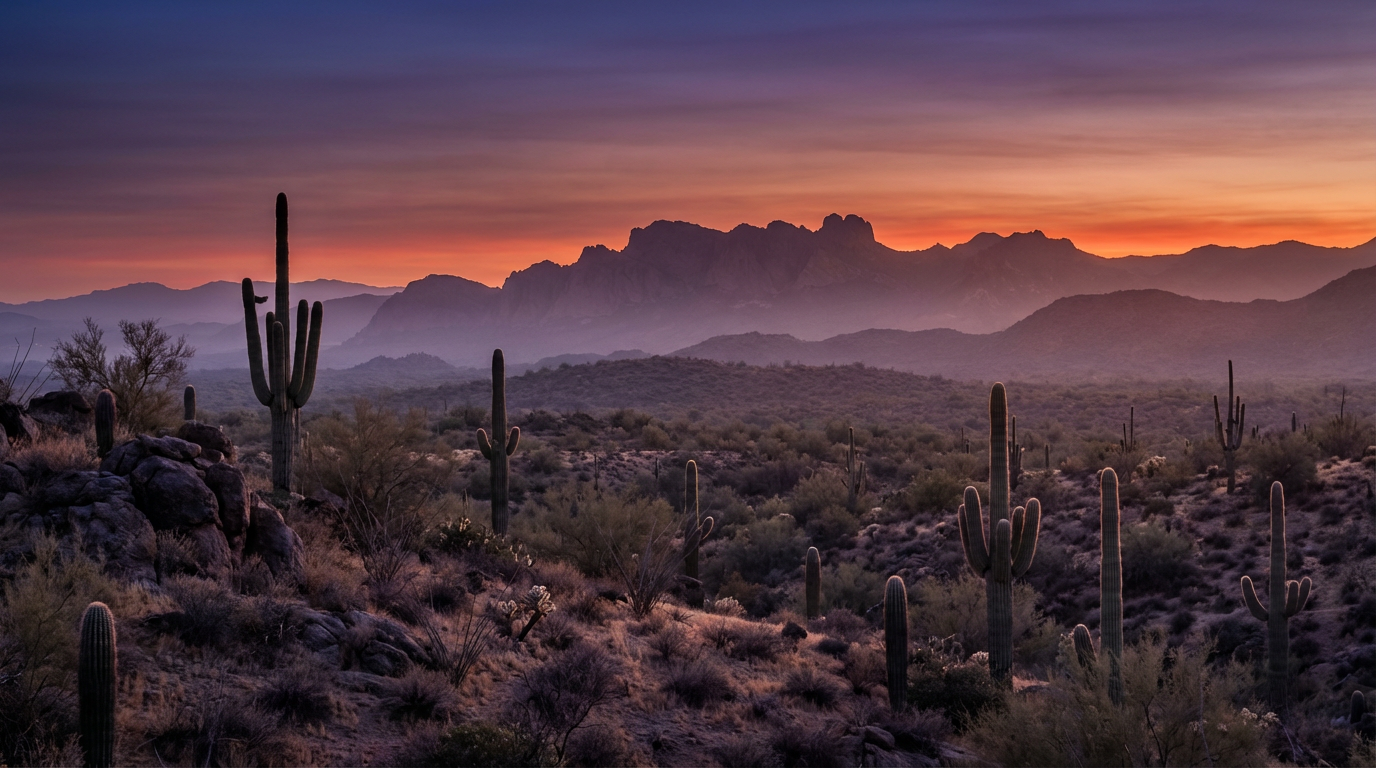
Arizona's unique landscape requires careful management to maintain ecological balance. Sustainable practices and policies can help mitigate adverse environmental effects, ensuring that natural beauty and resources are preserved for future generations.
Conclusion
Open borders present a complex array of challenges and opportunities for local communities in Arizona. By understanding the multifaceted impacts—economic, social, security, and environmental—communities can develop strategies to harness the benefits while mitigating the challenges.
Ongoing dialogue and collaboration among policymakers, residents, and stakeholders are essential to navigate this dynamic landscape effectively. As Arizona continues to evolve, embracing these changes with thoughtful consideration can lead to a more vibrant and inclusive community.