How Arizona's Local Communities Engage with Border Discussions

Understanding the Dynamics of Border Discussions
Arizona's proximity to the US-Mexico border places it at the heart of national conversations about border security, immigration, and trade. These discussions involve complex issues that impact local communities directly. Understanding how these communities engage with border discussions is crucial for appreciating the diverse perspectives that shape policy and public opinion.

Community Forums and Public Meetings
In Arizona, community forums and public meetings serve as vital platforms for dialogue. Local governments often host these events to gather input from residents, allowing them to voice concerns, share personal stories, and propose solutions. These forums foster a sense of community involvement and ensure that diverse viewpoints are considered in decision-making processes.
Participation in these forums is often robust, with stakeholders ranging from local business owners to advocacy groups. The discussions can be spirited, highlighting the passion and commitment of Arizonans to influence policies that affect their lives.
Grassroots Movements and Advocacy
Grassroots movements play a significant role in shaping border discussions in Arizona. Organizations and activists engage in advocacy efforts to promote human rights, environmental protection, and economic development. These groups often collaborate to organize rallies, educational campaigns, and volunteer initiatives that raise awareness and drive change.
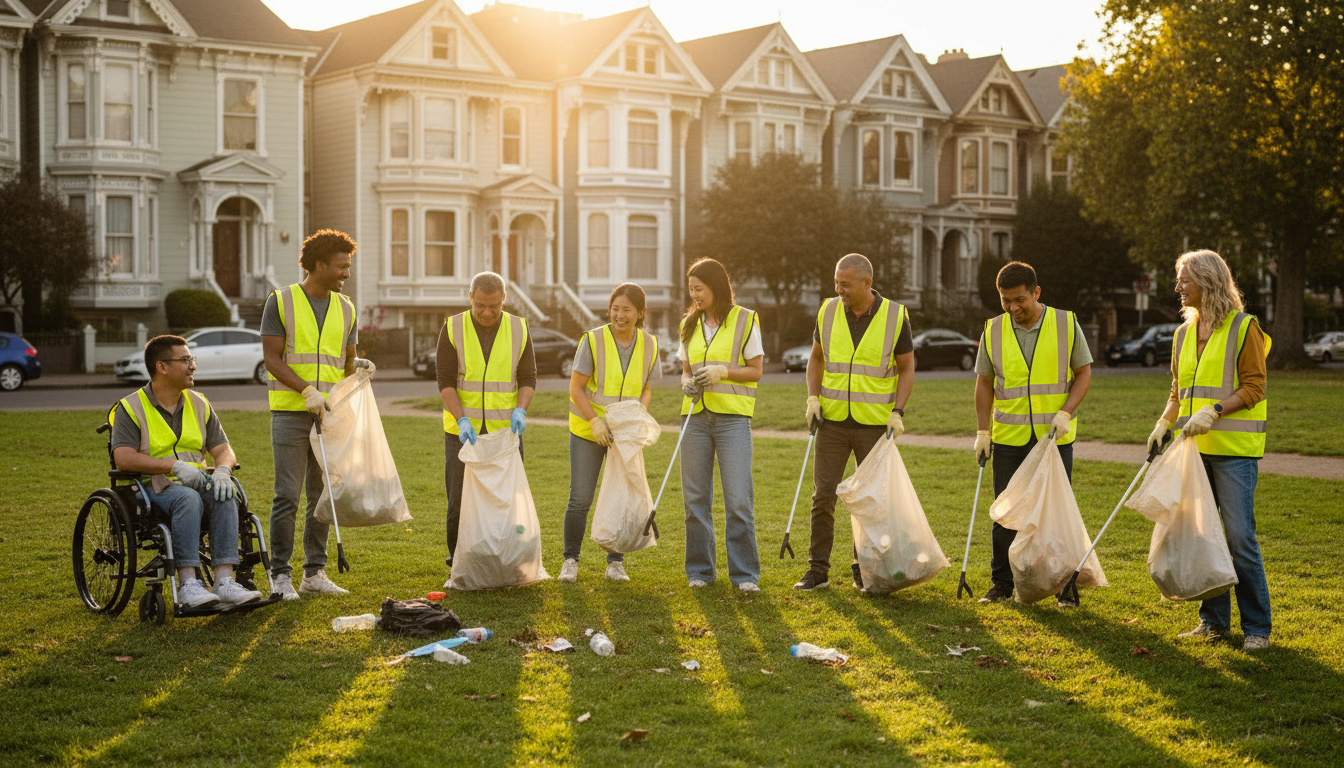
Several grassroots movements focus on humanitarian aid, providing essential services to migrants and advocating for compassionate immigration policies. Their work underscores the importance of empathy and community support in addressing border-related challenges.
Media and Storytelling
Local media outlets and storytelling initiatives are powerful tools for engaging communities in border discussions. By highlighting personal narratives and investigative reports, media organizations provide nuanced insights into the realities of life near the border. These stories humanize the issues and foster a deeper understanding among audiences.
Podcasts, documentaries, and social media platforms also contribute to this landscape by offering alternative perspectives and amplifying underrepresented voices. This multifaceted approach ensures that the conversation remains dynamic and inclusive.

Collaboration with Policy Makers
Engagement with policymakers is a critical aspect of how Arizona's local communities influence border discussions. Through direct communication with elected officials, residents can advocate for policies that reflect their values and needs. These interactions often occur through letter-writing campaigns, town hall meetings, and lobbying efforts.
By fostering open lines of communication, communities can hold policymakers accountable and ensure that their voices are heard in the legislative process.
The Role of Education
Educational institutions in Arizona also contribute to the discourse by providing research, hosting panels, and facilitating discussions on border-related issues. Universities and colleges often partner with community organizations to offer workshops and seminars that educate the public and encourage informed debate.
Through these efforts, educational institutions help demystify complex topics and empower individuals to participate actively in shaping the future of border policies.