Global Migration Discussions: A Deep Dive into Current Trends


Introduction to Global Migration
Global migration is a complex and multifaceted phenomenon that affects countries around the world. It involves the movement of people across borders for various reasons, including economic opportunities, political instability, and environmental changes. Understanding current migration trends is crucial for policymakers, businesses, and communities.
Economic Drivers of Migration
Economic factors play a significant role in global migration. Many people move to seek better employment opportunities and improve their living standards. Developed countries often attract migrants due to higher wages and better working conditions. Conversely, economic downturns in certain regions can also lead to increased emigration as people seek stability elsewhere.
Several countries, particularly in Europe and North America, have developed specific visa programs to attract skilled workers. These initiatives aim to fill labor shortages in sectors such as technology, healthcare, and engineering.
Political and Social Influences
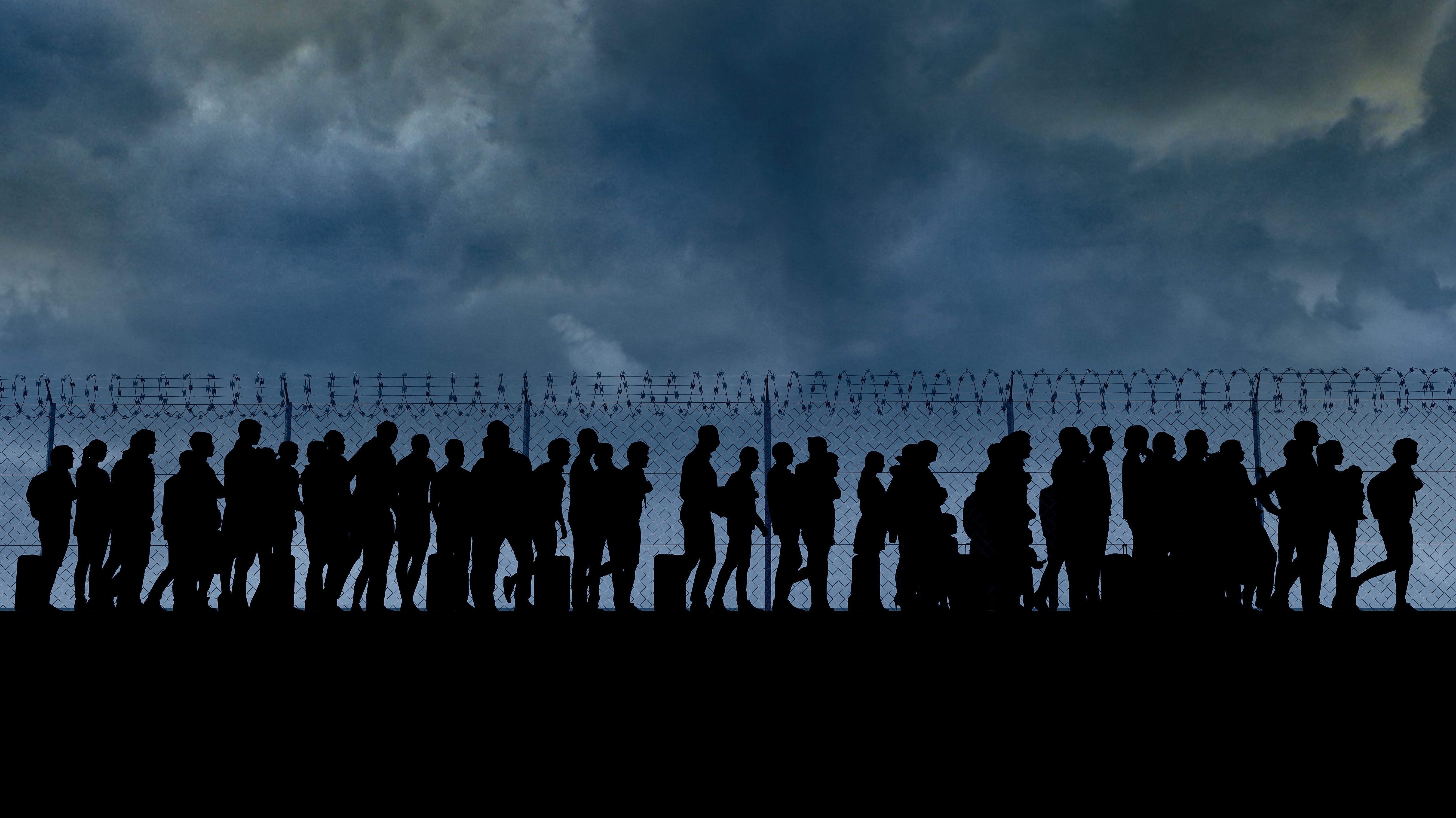
Political instability and social unrest are also major drivers of migration. Conflicts, persecution, and human rights violations force individuals to flee their home countries in search of safety and security. Refugees and asylum seekers often embark on perilous journeys to reach nations offering protection and support.
International organizations, such as the United Nations High Commissioner for Refugees (UNHCR), play a pivotal role in addressing the needs of displaced populations and facilitating resettlement processes. Collaborative global efforts are essential to ensure that humanitarian assistance reaches those in need.
Environmental Factors
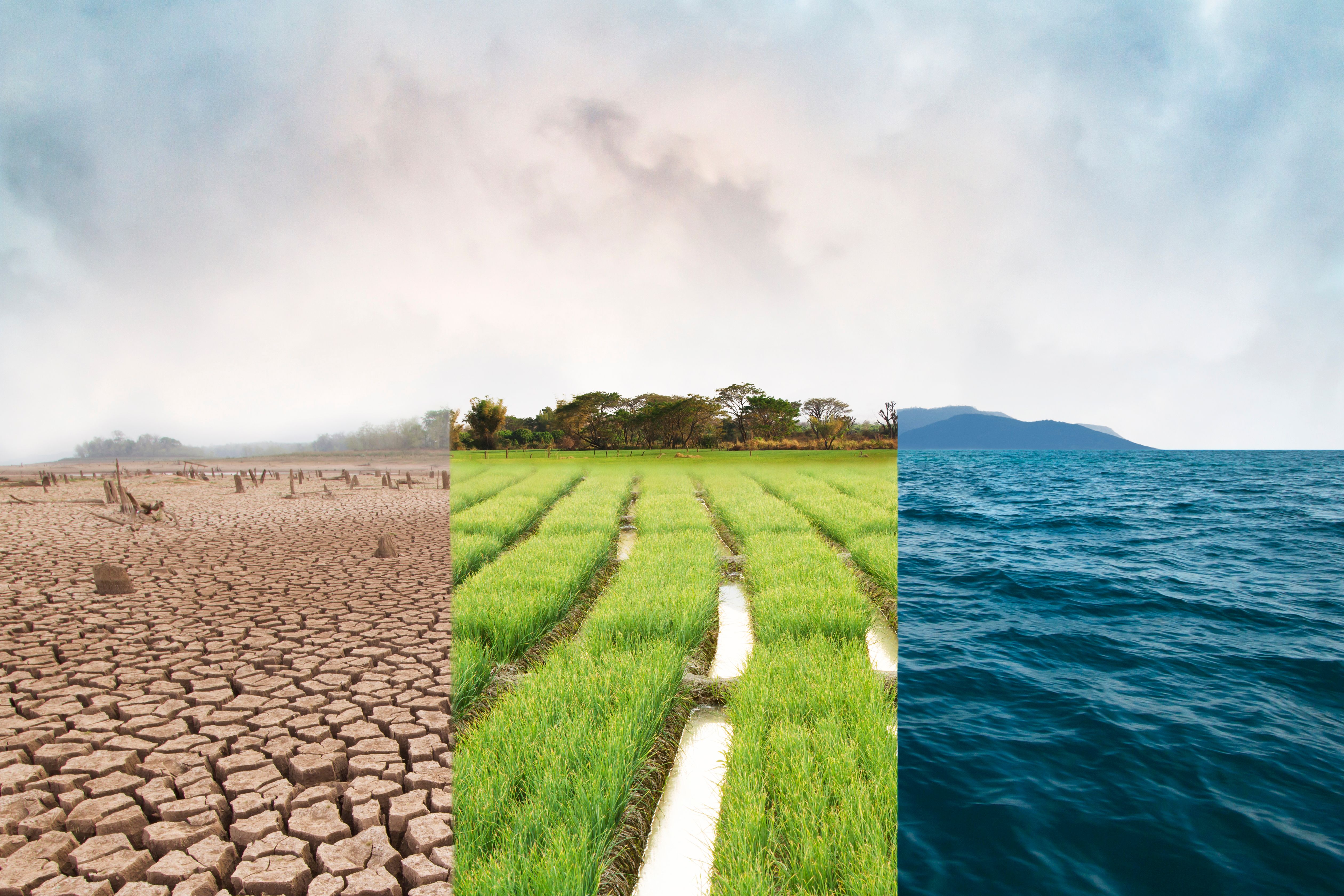
Environmental changes, including natural disasters and climate change, are increasingly influencing migration patterns. Rising sea levels, extreme weather events, and resource scarcity compel communities to relocate to safer areas. This form of migration is often referred to as "climate migration."
Governments and international bodies are working together to address the challenges posed by environmental migration. Innovative solutions, such as sustainable urban planning and investment in resilient infrastructure, are being explored to mitigate the impact.
Impact on Host Countries
The arrival of migrants can have profound effects on host countries. While migration can lead to cultural enrichment and economic growth, it also presents challenges such as integration and resource allocation. Effective policies and community engagement are crucial to fostering harmonious coexistence.
Many nations have implemented programs to support migrant integration, focusing on language acquisition, employment opportunities, and social inclusion. Local communities often play a vital role in welcoming newcomers and facilitating their transition.
Future Outlook
As global dynamics continue to evolve, migration trends are likely to change. Technological advancements, demographic shifts, and global policies will shape the future landscape of migration. Understanding these trends will be essential for crafting informed strategies that balance the needs of migrants and host societies.

In conclusion, global migration is a dynamic and ever-changing phenomenon with far-reaching implications. By examining the current trends, stakeholders can develop more effective responses to the challenges and opportunities that migration presents.