Exploring the Complexities of Border Control: An AZ Perspective


Understanding Border Control
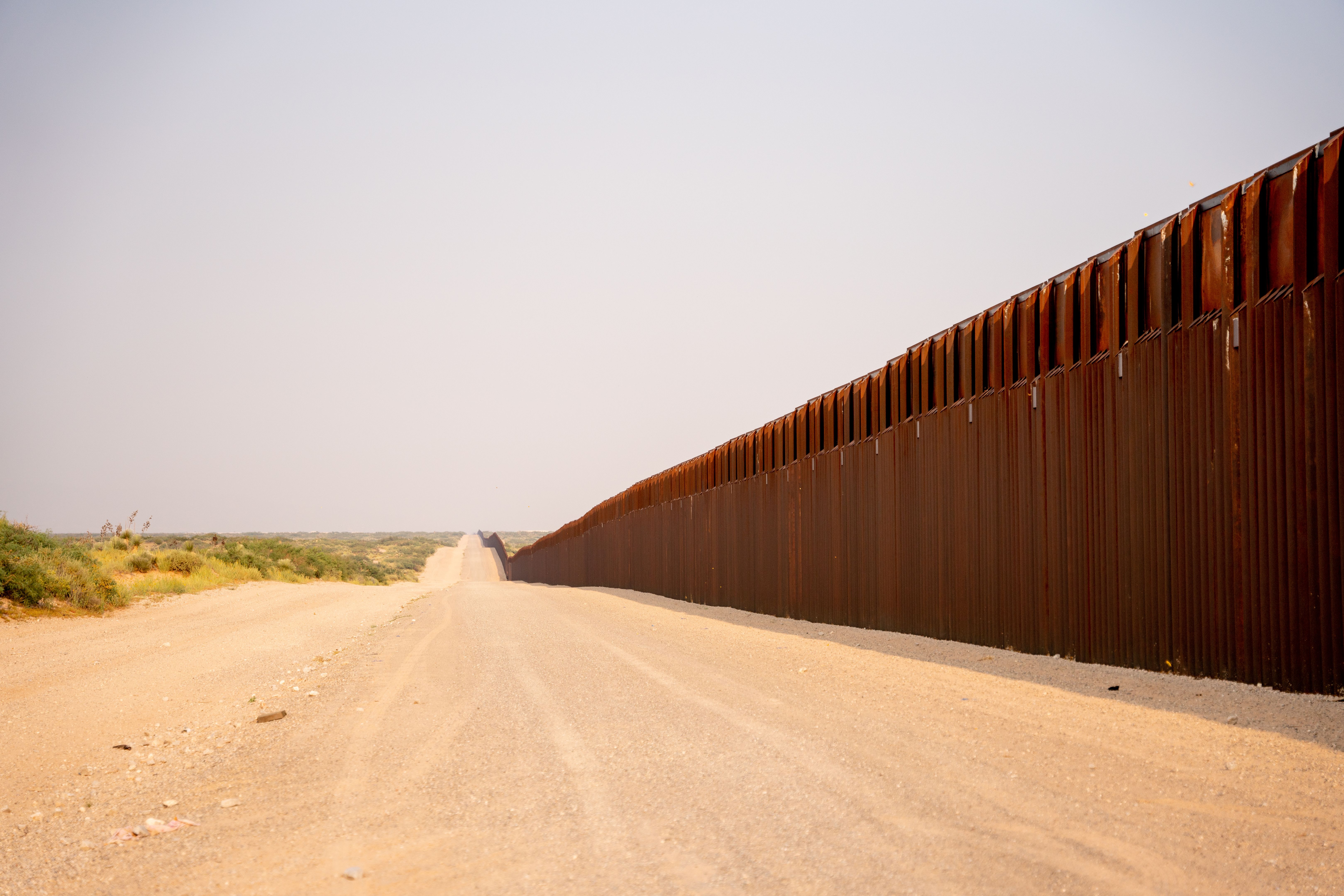
Border control is a complex and multifaceted issue, especially in states like Arizona, which shares a significant portion of its border with Mexico. The topic encompasses a variety of aspects including legal, economic, and humanitarian concerns. Understanding these complexities is crucial for developing informed and effective policies.
At the core, border control involves regulating the movement of goods and people across borders. This can include everything from customs checks to immigration enforcement. Effective border control is essential for maintaining national security, but it also plays a significant role in economic stability and cross-border relations.
Legal and Political Challenges
The legal landscape surrounding border control is intricate. Policies must comply with national laws and international agreements, creating a challenging environment for policymakers. In Arizona, this is further complicated by federal and state law interactions, often leading to legal disputes and political tension.
Furthermore, political perspectives on border control can vary widely, influencing public policy and perception. Some advocate for stricter controls to enhance security, while others call for more humane approaches, emphasizing the rights and needs of migrants.

Economic Implications
Border control has significant economic implications for Arizona. The state benefits from trade with Mexico, one of its largest trading partners, and effective border management is essential for facilitating this economic activity. However, stringent controls can lead to delays and increased costs, impacting businesses and consumers.
Moreover, the labor market is affected by border policies. Many industries in Arizona rely on migrant labor, and restrictive immigration policies can lead to labor shortages, affecting productivity and economic growth.

Humanitarian Concerns
Humanitarian issues are a critical aspect of border control. Migrants crossing the border often face dangerous conditions, and humanitarian organizations work tirelessly to provide aid and support. Policies must balance enforcement with compassion, ensuring that human rights are upheld.
In Arizona, there are numerous initiatives aimed at assisting migrants, ranging from providing water and food to legal assistance. These efforts highlight the need for a compassionate approach to border control, recognizing the plight of those seeking better opportunities.

Technological Innovations in Border Control
Technology plays a pivotal role in modern border control strategies. From surveillance systems to biometric identification, technology enhances the ability to monitor and manage border activities efficiently. Arizona has been at the forefront of implementing advanced technologies to improve border security.
However, the use of technology in border control raises ethical questions, particularly concerning privacy and data security. Striking a balance between security and personal freedoms is an ongoing challenge.

Looking Ahead
The future of border control in Arizona and beyond is likely to see continued evolution. Policymakers must navigate the complex interplay of security, economic, and humanitarian concerns, while also embracing technological advancements. Collaborative efforts involving government, businesses, and communities are essential for developing sustainable and effective border policies.
As discussions around border control continue, it is crucial to consider the diverse perspectives and needs of all stakeholders involved. Only through comprehensive understanding and cooperation can effective solutions be achieved.